A Route Worth Trusting: Turning Member Concerns into Practical Improvement

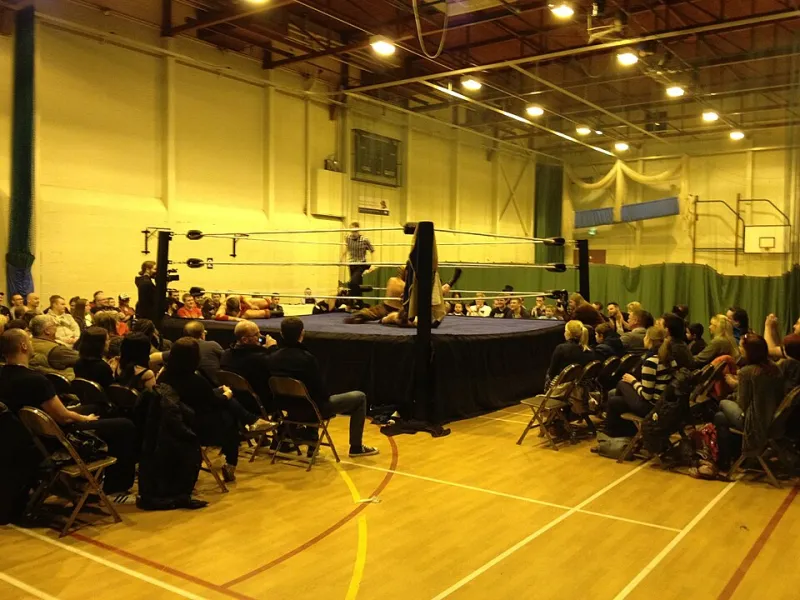
Photo: Jaggery , CC BY-SA 2.0, via Wikimedia Commons
Why concerns arrive late
Most UK associations do not have a shortage of member feedback. They have a shortage of routes that members trust. A problem is often raised in a corridor conversation, mentioned at the end of an event, or saved for a renewal survey months later. By the time it reaches a committee, the member has usually decided whether the association is worth bothering with.
That delay is rarely caused by indifference. Members hold back because they cannot see what will happen next. Will the message reach someone with authority? Will it be treated as a personal complaint rather than a service issue? Will raising it create awkwardness at the next networking event? A concerns route worth using answers those questions before they are asked.
The editorial case for improving this process is straightforward. Complaints are not a threat to be managed. They are operational intelligence. They show where a member journey has failed, where a policy is unclear, where an event has not delivered, or where a supplier relationship needs attention. Used properly, a single concern can prevent the same problem affecting dozens of members.
Design for use, not for defence
A member concerns process should not read like a legal shield. It should read like a service. That means it must be easy to find, short enough to complete without preparation, and clear about what happens after submission.
A practical model has three entry points: a short web form, a monitored email address, and a route through committee members or event staff for anyone who prefers to raise something in person. All three should feed one log. If a concern arrives through a phone call, it should still be recorded in the same place.
The form itself should ask four simple questions: what happened, what impact it had, what outcome the member would like, and how they prefer to be contacted. Avoid asking members to diagnose the organisation. They should not need to know which team owns the issue. That is the association's job.
Confidentiality needs to be explained in plain English. State who will see the concern, what will be shared with others, and why. Offer an anonymous route, but be honest about its limits. If a member needs a reply or a specific action, anonymity may restrict what can be done. Consent should be recorded at intake, not assumed later.
The process in five stages
A trusted route needs visible stages. Members should be able to see where their concern is, even if the answer is not yet available.
1. Intake and acknowledgement. Every concern receives an acknowledgement within two working days. This does not need to be a substantive response. It needs to confirm receipt, provide a reference, and name the person or team responsible for the next step.
2. Triage and routing. Within five working days, the concern is categorised and assigned. Useful categories include service delivery, events, policy or governance, member conduct, commercial relationships, and unclear or out of scope. If the issue sits outside the association's remit, say so plainly and signpost where possible. Do not leave the member to infer that nothing has happened.
3. Investigation and response. Simple concerns should receive a substantive response within ten working days. Complex matters may need twenty, but the member should receive an update at the ten-day mark explaining what is being checked and when they will hear next. A named contact matters more than a generic inbox. Members should not have to chase for basic information.
4. Resolution and closure. Where action is agreed, record the action, the owner and the date. Confirm it in writing. If the concern cannot be resolved as the member hoped, explain why and set out the escalation route. A senior officer or committee panel should be available for unresolved cases, with a clear independent review step.
5. Learning and publication. Every concern should be reviewed for patterns. A quarterly summary of themes, root causes and fixes should go to the relevant committee. At least twice a year, publish a short member-facing summary using the simple format: you said, we did, we are still working on. This is where the process earns credibility.
Timelines that mean something
Vague phrases such as in due course or as soon as possible undermine trust. Use stated working days and apply them consistently. Two working days for acknowledgement, five for triage, ten for a substantive response on straightforward matters, and twenty for complex cases with an update at ten. If a deadline will be missed, say so before it passes.
Timelines should also trigger internal action. If a concern has not been acknowledged within two working days, it should escalate automatically to the process owner. If a substantive response is overdue, the named contact should explain why. These are not bureaucratic controls. They are the difference between a route members use and a route they learn to avoid.
The learning loop is the point
Resolving individual concerns is necessary but not sufficient. The greater value comes from what the organisation learns. Keep a simple log that records category, root cause, time to close, whether the issue has occurred before, and what changed as a result.
The quarterly report to the committee should be short enough to read in ten minutes. Three sections are enough: what members raised, what has been fixed, and what remains open. Avoid naming individuals. Focus on patterns and decisions. Where a case study would help, seek permission before publishing it.
For BGOA members, the Member Hub can host the intake form, the published policy and the quarterly learning summary in one place. That makes the route easier to find and gives the learning loop a visible home. It also signals that concerns are part of ordinary member service, not a special escalation reserved for serious disputes.
A small set of measures
Do not overcomplicate the measurement. Track the number of concerns received, the percentage acknowledged on time, the median working days to close, the percentage reopened, and the number of improvements delivered. Review the process annually with members who have used it. A short feedback question at closure is often more useful than a lengthy survey.
By the final quarter of 2026, members should be able to find the route in two clicks, understand what will happen next, and see evidence that concerns have changed something. A complaints process is not a sign of failure. It is maintenance. The associations that treat it as useful intelligence will hear about problems earlier, fix them more cheaply, and build the kind of trust that renewals cannot manufacture.