Out of London, Into Focus: A Practical Framework for Regional Member Events
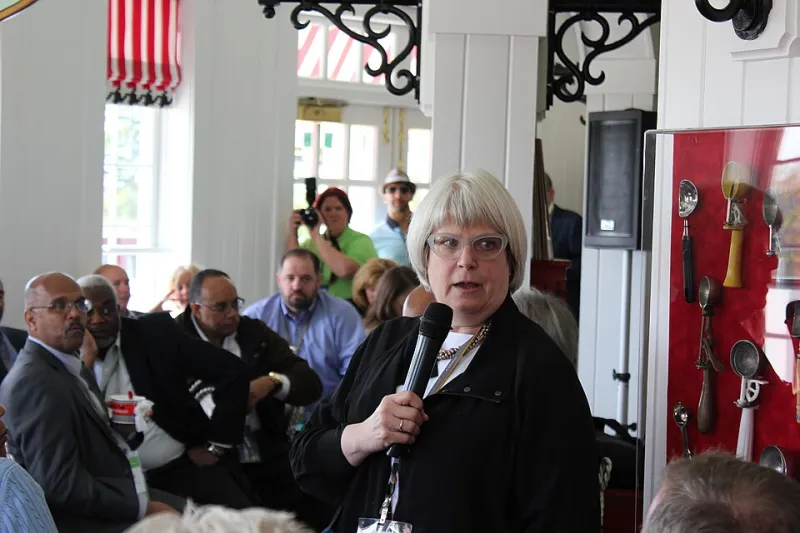
Photo: A Healthier Michigan, CC BY-SA 2.0, via Wikimedia Commons
For most UK associations, the annual calendar still tilts towards London. That is understandable: head offices, policy contacts and national media sit there. But a member-first programme cannot treat the rest of the country as a series of away fixtures. In 2026, with travel costs under scrutiny and diaries tighter than ever, regional events have to earn their place. The good news is that they can — provided they are designed around local relevance rather than scaled-down versions of the London programme.
Begin with the reason to travel
A regional roadshow should start with a clear member outcome, not a venue. Before booking a room in Manchester, Leeds, Birmingham, Glasgow, Cardiff, Bristol or Newcastle, write one sentence explaining what a member will gain by attending. It might be a practical briefing on a regulatory change, a peer roundtable on workforce shortages, a site visit that shows best practice, or a chance to meet the local policy audience. If the sentence sounds generic, the event is not ready.
Build venue partnerships that share the work
Hotels are convenient but rarely distinctive. Member firms, chambers of commerce, universities, co-working spaces and local business hubs often have suitable rooms and a stake in making the event work. A partnership can cover more than rent: local promotion, a welcome speaker, refreshments or a follow-up venue. Confirm the practicalities early — step-free access, public transport links, parking, AV, room layout and cancellation terms. A venue near a mainline station is usually more valuable than a prestigious address on a business park.
Source speakers from the region, not just the head office
A panel of London-based experts flown in for the morning can feel like a broadcast, not a conversation. Local practitioners bring credibility and context. Ask members to nominate speakers, approach regional trade bodies and universities, and pair a national policy lead with a local operator. Brief every speaker on the audience and the outcome. Offer reasonable expenses, rehearse the format and, where appropriate, record the session so the learning travels further.
Price for realism, not prestige
Ticket pricing is a signal. A free event can fill a room but may suggest low value; a high price for a short session can deter the very members you want. Most regional events work best on a transparent cost-recovery basis, with member rates, a small non-member premium and local sponsorship where it does not compromise editorial independence. Publish what the ticket includes and be honest about travel costs. Members will forgive a modest fee if the content is strong; they will not forgive a £95 charge for a one-hour presentation with no follow-up.
Design the room for conversation
Regional members often travel further to be there, so the format should reward the journey. Allow at least two hours, with time for arrivals and informal discussion. Use facilitated tables, clear questions and Chatham House rules where sensitive. Keep presentations short. Provide name badges that show organisation and region, and check dietary and accessibility needs in advance. If the event is a roadshow, resist the temptation to pack in too many speakers; one strong input and a well-run discussion will usually outperform four set-piece talks.
Measure outcomes, not attendance
A full room is pleasing but not sufficient. Track what happens afterwards: follow-up requests, new member contacts, local introductions, working group sign-ups, repeat attendance and members' own reports of changed practice. A short survey within 48 hours can capture usefulness and suggest improvements. Compare regions over a full cycle rather than judging a first outing. Report the outcomes to the board alongside the costs, and be willing to stop a format that consistently fails to produce them.
Follow up in a way that justifies the travel
The week after the event matters more than the week before. Send a short note within two working days with the key points, actions and named contact for the region. Assign an owner for each commitment. Share a summary with members who could not attend. Invite interested attendees to a working group or the next local gathering. Do not simply circulate slides and assume the job is done.
Build a repeatable calendar
Start with a small pilot in three regions, each with a local partner and a clear outcome. Rotate locations rather than returning to the same city every year. Avoid clashes with major sector events and school holidays. Use member volunteers as regional hosts, and give them a simple brief. Review the programme annually against the outcomes that matter, not the number of events held.
Regional events are not a box-ticking exercise in geographical spread. Done properly, they are one of the most credible ways for an association to show that membership works beyond the M25. The test is simple: if a member in Bristol, Belfast or Birmingham would recommend the journey to a colleague, the playbook is working.